
High-authority directory submission sites help websites improve online visibility, brand trust, and local SEO by listing business details on credible web directories.
When used correctly, directory submission is still a safe and effective off-page SEO technique in 2026, especially for new websites and local businesses. This updated guide covers verified directory submission sites, best practices, and SEO benefits.
Are you a digital marketer, online freelancer, or blogger looking for new and effective ways to boost your website’s SEO? Look no further – high-authority directory submission sites can still be an effective technique in improving the visibility of your website.
This guide is ideal for bloggers, freelancers, startups, local businesses, and digital marketers who want to build early SEO trust, improve online visibility, and use directory submission safely as part of a long-term SEO strategy.
Web directory submission is submitting your website to an online directory to increase its rank on search engine results pages (SERPs).
What is Directory Submission?

Today, directory submission focuses more on brand credibility and citations rather than backlink quantity.
Directory submission is submitting websites and web pages to relevant online directories. This method of website promotion is based upon the idea that when you link your website or page to a guide, more people may view your information, and it may show up higher in search engine rankings. It works similarly to search engine optimization (SEO).
However, instead of relying on a computer algorithm to generate website visibility, directory submission SEO requires you to manually go outside your domain, search for relevant directories, and submit your information.
With the directory submission off-page SEO technique, you can list essential facts about your business, products, and services so others can easily find out about them. However, even though this is a unique way to promote your business online, it also takes time and resources to manage a directory web submission strategy properly.
Types of Directory Submission Websites
Directory submission websites differ based on their purpose, authority level, and how they categorize listings. In 2026, directory submissions are no longer about mass link building but about brand presence, citations, and relevance.
Some directories focus on specific locations, while others cover industries, reviews, or global business listings. High-quality directories usually have moderation and verification processes, whereas low-quality ones accept submissions instantly with little value.
Today, directory submission websites can be broadly classified into the following types:
1. General Web Directories
These directories list websites from multiple industries and niches. They are suitable for businesses and blogs looking for broad online visibility and basic brand mentions. High-authority general directories often require manual review before approval.
2. Local Business Directories
Local directories focus on businesses operating in specific cities, states, or countries. They are especially effective for local SEO, helping search engines verify business details such as name, address, and phone number (NAP consistency).
3. Niche-Specific Directories
Niche directories list websites related to a particular industry, such as technology, healthcare, finance, or education. These directories are valuable because they provide topical relevance, which search engines consider more trustworthy than generic listings.
4. Review-Based Directories
These directories allow users to review and rate businesses. While backlinks are not the main benefit here, review-based directories help build brand credibility, trust signals, and referral traffic, which are increasingly important in modern SEO.
5. Paid Featured Directory Listings
Paid directory submissions allow websites to be featured prominently, often pinned at the top of directory pages. These listings may include images, extended descriptions, and faster approvals. When chosen carefully, paid directories can offer long-term branding benefits rather than short-term ranking boosts.
6. Regular Free Directory Submissions
Free directory submissions are commonly used to establish basic online presence. However, many free directories provide no-follow links or limited listing features. They should be selected cautiously to avoid low-quality or spam-heavy platforms.
7. Reciprocal Directory Listings
Reciprocal directory listings involve exchanging links between websites. While excessive link exchanges can be risky, natural and relevant reciprocal links still exist across many authoritative websites. When done selectively and contextually, they can support a healthy link profile rather than harm it.
Important Note
In 2026, the effectiveness of directory submission depends more on quality, relevance, and consistency than volume. Submitting your website to a small number of high-authority and relevant directories is far more beneficial than mass submissions.
Does Directory Submission Still Work in 2026?
Yes — directory submission still works, but only when it is done strategically and for the right reasons.
In 2026, directory submission is most effective for small businesses, startups, and local websites looking to build brand presence, citations, and initial online visibility. The process involves manually submitting accurate business details—such as the website URL, description, and category—to high-quality and relevant directories, rather than mass-submitting to low-value platforms.
When done correctly, directory submissions can:
Improve brand discovery
Support local SEO through consistent business information
Generate modest referral traffic
Help search engines validate business legitimacy
No — directory submission does not work as a standalone SEO strategy or as a shortcut to higher rankings. Submitting a website to hundreds of low-quality directories or using automated tools can dilute link quality and offer little to no SEO benefit.
Well-maintained directories that actively moderate listings help separate credible websites from low-value ones, which benefits both users and search engines.
Important Disclaimer
Directory submissions should support SEO, not replace core strategies like high-quality content, authoritative backlinks, technical SEO, and user experience optimization. When used as a complementary tactic, directory submission remains safe and relevant in modern SEO.
Importance of Directory Submission for SEO
Directory submission remains an important supportive SEO strategy for businesses aiming to strengthen their online presence in 2026. Submitting a website to reputable directory submission sites improves visibility by helping search engines and users discover, recognize, and validate a brand more easily.
Beyond basic visibility, directory submissions contribute to brand signals and entity recognition. When a business appears consistently across trusted directories with the same name, website URL, and contact details, search engines gain stronger confidence in the legitimacy of that entity. This consistency plays a key role in modern SEO, especially for local and service-based businesses.
High-quality directory listings can also generate referral traffic. While the traffic volume is usually small, it is often highly relevant and intent-driven, which makes it valuable from both a branding and engagement perspective.
Additionally, directory submission supports:
Faster and more reliable indexing of new websites and pages
Improved link diversity when listings come from authoritative sources
Better local SEO performance through consistent business information
Increased brand exposure across niche and industry-specific platforms
Ultimately, directory submission should not be viewed as a shortcut to rankings. Instead, when combined with quality content, technical SEO, and authoritative backlinks, directory submission helps businesses build trust, visibility, and long-term SEO stability in a cost-effective way.
What are High-Authority Directory Submission Sites?
High-authority directory submission sites are reputable online directories that allow businesses and websites to submit their details for inclusion in a trusted, well-organized listing system. These directories are designed to help search engines and users discover legitimate websites within specific industries, locations, or categories.
Unlike low-quality or spam-driven directories, high-authority directories follow strict quality standards. Listings are typically reviewed by editors or moderators before approval, ensuring that only relevant and credible websites are published. This editorial oversight helps maintain the directory’s trustworthiness and long-term value.
A high-authority directory submission site usually meets the following criteria:
Indexed regularly by Google and other search engines
Manual or editorial moderation (no instant auto-approval)
Clearly defined, real categories for proper classification
Clean and relevant outbound links, not link farms
Minimal spam, ads, or irrelevant listings
Because submissions are reviewed carefully, listings on high-authority directory submission sites are more reliable and valuable. These directories help search engines validate brand authenticity, business legitimacy, and topical relevance, which supports visibility and trust rather than artificial ranking manipulation.
Ultimately, high-authority directory submission sites are beneficial not because of link volume, but because they contribute to brand credibility, entity recognition, and sustainable SEO growth when used correctly.
Benefits of Using High-Authority Directory Submission Sites
Using high-authority directory submission sites offers long-term SEO and branding advantages when approached strategically. Rather than creating short-term ranking spikes, these directories help businesses establish consistent visibility, trust, and credibility across the web.
One of the key benefits is brand exposure. High-authority directories are frequently crawled by search engines and visited by users looking for trusted businesses or services. A presence on such platforms increases the likelihood of being discovered by relevant audiences at different stages of the buying journey.
High-authority directories also contribute to entity recognition and brand validation. When a business is listed on reputable directories with accurate and consistent information, search engines gain stronger confidence in that entity’s authenticity. This supports long-term SEO stability rather than temporary gains.
Additional benefits include:
Long-term visibility instead of short-lived ranking boosts
Improved brand trust through association with authoritative platforms
Diversified backlink profile from credible sources
Referral traffic that, while modest, is often highly relevant
Better reach among targeted and industry-specific audiences
From an SEO perspective, high-authority directory listings work best as a supporting signal, reinforcing content quality, technical SEO, and authoritative backlinks. Businesses that invest in the right directories benefit not just from search visibility, but from sustainable brand presence and reputational growth over time.
List of 29 Verified High-Authority Directory Submission Sites (2026)
The directory submission sites listed below have been personally reviewed, verified, and used based on real submission experience. Each directory was checked for index status, authority, editorial quality, and spam signals to ensure it provides genuine SEO and branding value.
| Directory Submission List | DA | PA |
|---|---|---|
91 |
93 | |
93 |
93 | |
65 |
69 | |
70 |
73 | |
37 |
44 | |
63 |
67 | |
43 |
51 | |
75 |
78 | |
91 |
93 | |
78 |
81 | |
69 |
72 | |
63 |
69 | |
71 |
74 | |
48 |
56 | |
32 |
42 | |
36 |
45 | |
69 |
72 | |
92 |
93 | |
90 |
92 | |
73 |
76 | |
50 |
56 | |
51 |
57 | |
67 |
70 | |
68 |
71 | |
78 |
81 | |
93 |
93 | |
47 |
55 | |
52 |
59 | |
45 |
53 |
“Some legacy directories are listed for historical authority reference.”
How to Do Directory Submission?
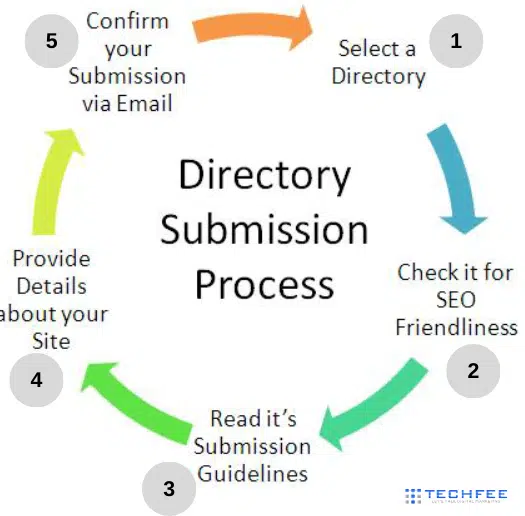
Directory submission involves manually submitting your website, blog, or business profile to relevant, reputable web directories in your industry or location. When done correctly, this process supports brand visibility and SEO without triggering spam signals.
Step 1: Choose the Right Directories
Start by researching high-quality directories that are relevant to your niche, business type, or target location. Avoid low-quality or auto-approved directories that exist only for link manipulation.
Step 2: Create an Accurate and Consistent Profile
Register on the selected directory and carefully fill in your website details, including name, URL, description, category, and contact information. Ensure all details remain consistent across every directory you submit to.
Step 3: Write a Human-Friendly Description
Use a clear, natural, and informative description of your website or business.
Avoid keyword-stuffed descriptions
Use branded or naked URLs instead of exact-match anchor text
Focus on readability and user value rather than SEO tactics
Step 4: Select the Most Relevant Category
Always choose the category that best represents your business or content. Incorrect categorization can reduce the effectiveness of the listing or delay approval.
Step 5: Submit and Wait for Review
Many high-authority directories use editorial review processes. After submission, allow time for manual approval instead of resubmitting repeatedly.
Step 6: Monitor and Maintain Listings
Once approved, periodically check your listings to ensure details remain accurate. Update them if your website URL, branding, or contact information changes.
Important Best Practices
Avoid automated submission tools
Do not exchange links unnaturally
Focus on quality over quantity
Treat directory submission as a supporting SEO activity, not a primary ranking strategy
When used thoughtfully, directory submission complements content marketing, technical SEO, and authoritative link building rather than replacing them.
Directory Submission Guidelines
Before submitting your website to any directory, it’s important to follow a set of best practices to ensure your submissions are safe, effective, and aligned with modern SEO standards. While each directory may have its own requirements, the following guidelines apply broadly in 2026:
Ensure your website is fully functional and valuable
Directories prefer websites that are professionally designed, easy to navigate, and offer meaningful content to users. Submitting incomplete or low-quality sites reduces approval chances and SEO value.Choose the most relevant category
Always select the category or subcategory that best represents your website’s niche or industry. Proper categorization improves visibility and ensures your listing reaches the right audience.Provide accurate and complete information
Submit clear and error-free details, including your website title, description, URL, and contact information. Misleading or inconsistent information can lead to rejection or removal.Use the same business details across all listings
Maintain consistent business name, website URL, and contact information across every directory. This consistency strengthens brand signals, entity recognition, and local SEO trust.Verify website ownership when required
Some directories require ownership verification through meta tags, file uploads, or email confirmation. Completing this step improves credibility and speeds up approval.Avoid automated submission tools
Automated directory submission software often targets low-quality directories and can create unnatural patterns. Manual submissions provide better control, accuracy, and long-term SEO safety.Avoid low-quality and spam directories
Not all directories offer value. Stay away from directories filled with irrelevant listings, excessive ads, or instant auto-approvals. Focus only on reputable, well-maintained platforms.
Following these directory submission guidelines increases the likelihood of approval, protects your website from spam risks, and helps directory submissions serve as a reliable supporting SEO signal rather than a liability.
Common Directory Submission Mistakes to Avoid
While directory submission can support SEO when done correctly, many websites fail to see results due to avoidable mistakes. Being aware of these common errors can help you protect your website and maximize the value of your submissions.
One of the biggest mistakes is submitting to too many low-quality or spam directories. Mass submissions may look productive but often provide little value and can dilute link quality.
Another common issue is keyword stuffing in titles and descriptions. Over-optimized descriptions may get rejected by editorial directories and can appear unnatural to both users and search engines.
Using inconsistent business details across different directories is also a frequent mistake. Variations in business name, website URL, or contact information weaken brand signals and reduce trust.
Many website owners rely on automated directory submission tools, which often submit to irrelevant or poor-quality platforms. These tools remove control and increase the risk of spam signals.
Finally, some businesses expect quick ranking improvements from directory submissions alone. Directory listings should support SEO, not replace high-quality content, authoritative backlinks, and technical optimization.
Avoiding these mistakes helps ensure directory submission remains a safe, sustainable, and credibility-building SEO practice.
Conclusion on High-Authority Directory Submission Sites
High authority directory submission sites continue to play a meaningful role in SEO when used strategically and responsibly. In 2026, directory submission is no longer about mass link building—it’s about brand validation, entity recognition, consistency, and long-term visibility.
Focusing on reputable, well-moderated directories helps reinforce trust signals for search engines and users alike. However, success depends on quality over quantity. Submitting accurate information, choosing relevant categories, avoiding keyword stuffing, and staying away from automated tools are essential best practices.
At the same time, directory submissions should support—not replace—core SEO efforts such as high-quality content creation, technical optimization, and authoritative backlink building. When used as part of a balanced SEO strategy, high authority directory submission sites can strengthen your online presence in a safe and sustainable way.
If used thoughtfully, directory submission remains a valuable off-page SEO technique—not just for rankings, but for building credible and discoverable digital brands over time.
Frequently Asked Questions
How do I find the best directory submission sites for quality backlinks?
The best directory submission sites are those that are indexed by Google, editorially moderated, niche-relevant, and free from spam. Avoid auto-approved directories and focus on a small number of high-authority platforms that offer real categories and long-term credibility rather than bulk links.
How can directory submission sites help with SEO?
Directory submission sites help SEO by supporting brand visibility, entity recognition, consistent business information, and referral traffic. While they don’t directly boost rankings on their own, they strengthen trust signals when used as part of a broader SEO strategy.
What is automatic web submission?
Automatic web submission refers to using software or tools that submit a website to hundreds of directories at once. This approach is not recommended in 2026, as it often targets low-quality directories and can create unnatural link patterns.
Are directory submissions safe for SEO?
Yes, directory submissions are safe when done manually and selectively on reputable, high-authority directories. Submitting to spammy or irrelevant directories, or using automation tools, can reduce effectiveness and should be avoided.
How do I know if my website has been successfully submitted to a directory?
Most directories send a confirmation email or display a pending/approved status in your account dashboard. You can also check approval by searching the directory for your website or monitoring referral traffic and indexing status over time.
How many directory submission sites should I submit my website to?
There is no fixed number. In most cases, 10–30 high-quality directory submissions are more effective than hundreds of low-quality ones. Focus on relevance, authority, and consistency rather than volume.
What should I remember when submitting my website to directory submission sites?
Always submit accurate and consistent information, choose the correct category, write human-friendly descriptions, use branded or naked URLs, and avoid keyword stuffing. Directory submission should support SEO—not replace content and link building.
What are common directory submission mistakes?
Common mistakes include submitting to spam directories, using automated tools, keyword-stuffed descriptions, inconsistent business details, and expecting fast ranking improvements from directory links alone.
How can I avoid directory submission site scams?
Avoid directories that promise guaranteed rankings, instant approvals, or charge fees without clear editorial standards. Trusted directories focus on quality listings, moderation, and long-term value, not quick SEO gains.
What information is required to submit a website to a high-authority directory?
Most high-authority directory submission sites require your website name, URL, description, category, and sometimes contact details or ownership verification. Providing complete and accurate information improves approval chances and credibility.
If you found this guide on high authority directory submission sites helpful, I’d love to hear your thoughts. Feel free to drop a comment below and share your experience or questions—it helps keep this content practical and up to date.
To stay connected and receive more SEO insights, guides, and updates, subscribe to our email newsletter. You’ll get actionable tips delivered straight to your inbox—no spam, just value.
Also, don’t forget to follow us on our social media channels to stay updated with the latest digital marketing trends, SEO strategies, and resources.
Thanks for reading, and let’s keep growing together 🚀
Last Updated: February 2026 — Directory list verified, content refreshed, SEO best practices updated

 Twitter
 Facebook
 Linkedin

 Twitter
 Facebook
 Linkedin